Introduction
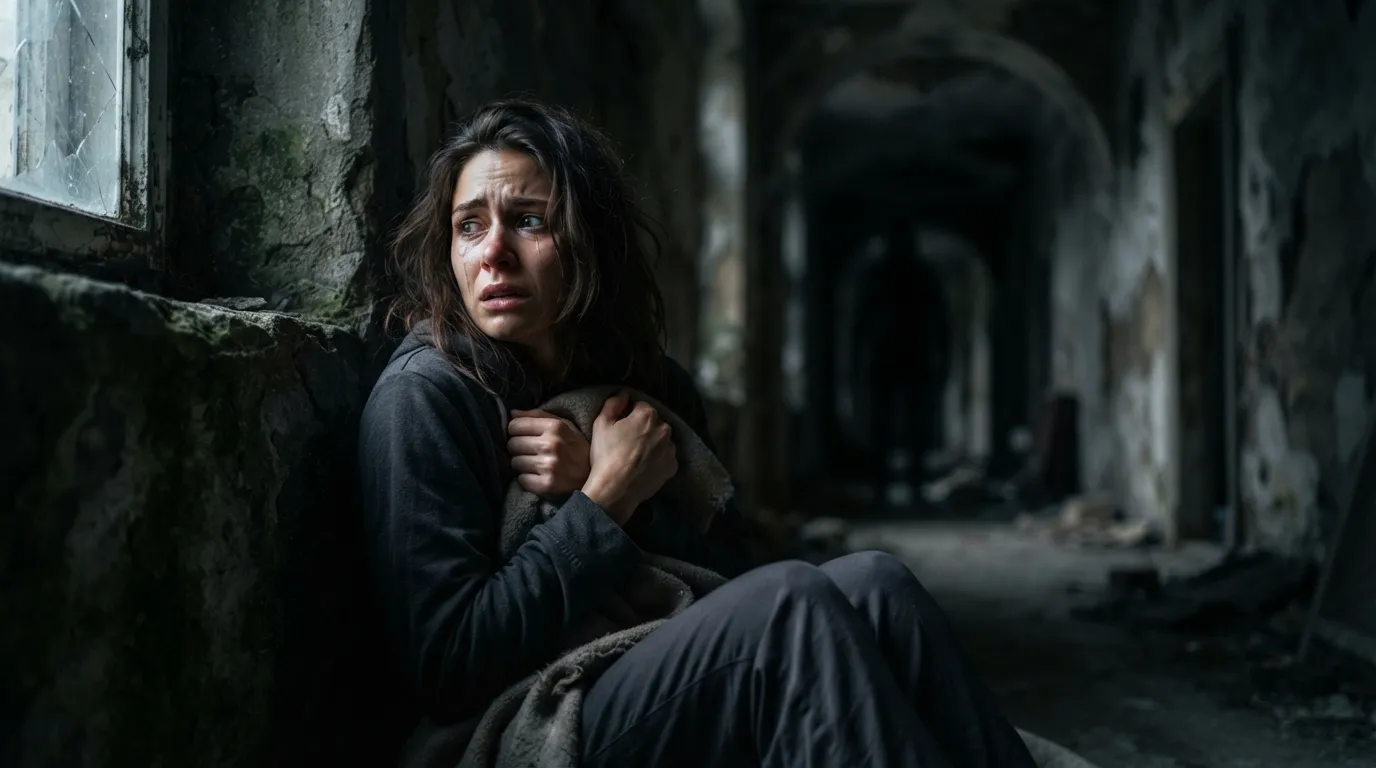
The spiritual meaning of feeling scared in a dream may relate to unresolved fears, emotional pressure, uncertainty, personal growth, or a need to feel safer in your waking life. Sometimes, fear appears even when nothing dangerous happens in the dream. You might feel watched, sense an unknown presence, hear a frightening sound, or experience a strong feeling that something is wrong.
From a spiritual perspective, fear in a dream may encourage you to examine your emotions, reconnect with your beliefs, or pay attention to an area of life that needs care. Psychologically, it may reflect stress, anxiety, difficult memories, or the brain’s emotional processing during sleep. Your personal experiences and the details of the dream can influence its meaning.
Although these dreams can feel powerful, feeling scared in a dream does not automatically predict danger or mean that a negative spiritual force is present. Instead, consider the dream an opportunity to understand your emotions, recognize your needs, and develop greater inner peace.
What Is the Spiritual Meaning of Feeling Scared in a Dream?
Feeling scared in a dream may symbolize an emotional struggle, a fear of the unknown, or a situation that makes you feel vulnerable. Your mind may use fear to represent something that feels difficult to understand or control.
However, the meaning is not the same for everyone. A person who feels scared in a dark room may be experiencing a different emotional theme from someone who feels afraid while talking to a family member. Your feelings, memories, beliefs, and current circumstances all matter.
1. A Need to Face Your Hidden Fears
One possible spiritual interpretation is that the dream encourages you to recognize fears you have been avoiding. You may worry about failure, rejection, losing someone, or making a decision that changes your life.
Sometimes, you stay busy to avoid thinking about these concerns. Yet the feelings may remain active beneath the surface. A dream can bring them into awareness through an intense emotional experience.
Ask yourself what has been making you uncomfortable lately. You do not need to confront every fear immediately. Start by identifying what worries you and deciding whether there is a realistic step you can take.
2. A Reminder to Protect Your Emotional Peace
Fear in a dream may reflect the emotional cost of a stressful environment. You might be dealing with repeated conflict, demanding responsibilities, or relationships that leave you feeling uncertain.
From a spiritual perspective, the dream may encourage you to protect your peace. This could mean setting healthier boundaries, spending time in quiet reflection, or reducing unnecessary pressure.
Protecting your peace does not mean avoiding every uncomfortable conversation. It means learning which challenges deserve your attention and which situations require distance, support, or a different approach.
3. A Call for Greater Self-Awareness
Sometimes, fear points toward an emotion or concern that you have not fully acknowledged. You may feel disappointed but tell yourself that everything is fine. You may feel overwhelmed but continue accepting more responsibilities.
The dream could offer an opportunity to become more honest with yourself. Ask whether your daily choices match your emotional needs and personal values.
Self-awareness does not require you to judge yourself. Instead, it helps you understand why certain situations affect you and what changes might support your well-being.
4. Fear of Change and New Beginnings
New opportunities can create excitement and fear at the same time. Starting a job, entering a relationship, moving to a new place, or changing an established routine may bring uncertainty.
Feeling scared in a dream may reflect the tension between wanting something new and fearing what you might lose. You may want to move forward while still feeling attached to what is familiar.
Consider whether a current transition is making you anxious. You do not need to eliminate fear before making a thoughtful decision. Sometimes, confidence develops gradually as you prepare and take manageable steps.
5. A Desire for Spiritual Reassurance
If you rely on faith during difficult times, a frightening dream may remind you to seek comfort through prayer, meditation, reflection, or other spiritual practices.
This does not prove that the dream contains a supernatural warning. Rather, it may highlight your desire for reassurance when life feels uncertain.
Choose practices that help you feel grounded and encourage wise decisions. Spiritual reflection can be meaningful without requiring you to search for hidden dangers in every dream.
6. A Need to Release Emotional Burdens
Fear can appear when you carry unresolved sadness, guilt, disappointment, or resentment. You might be trying to remain strong while avoiding feelings that need attention.
The dream may encourage you to examine what you are carrying. Perhaps you need to discuss a problem, forgive yourself for a mistake, or accept that a difficult situation cannot be changed immediately.
Releasing an emotional burden does not mean pretending that nothing happened. It means finding a healthier way to understand the experience and decide what to do next.
7. A Reminder to Trust Your Own Judgment
Feeling scared in a dream may sometimes reflect uncertainty about your choices. You might depend heavily on other people’s approval or worry that you cannot make the right decision.
A useful interpretation is that you need to reconnect with your own judgment. Consider the facts, your values, and the advice of people you trust.
Trusting yourself does not mean assuming that you are always right. It means learning to make careful decisions without allowing fear of criticism to control every choice.
Spiritual Meaning of Feeling Scared in a Dream According to Your Emotions
The type of fear you experience can help you reflect on what the dream represents to you. Your emotional response may be more revealing than the dream’s setting or characters.
Feeling Terrified for No Clear Reason
Sometimes, you feel intense fear even though nothing threatening appears in the dream. You may wake up with a racing heart and struggle to explain what frightened you.
Spiritually, you might interpret this as a reminder to pay attention to your emotional well-being. Psychologically, it may reflect stress, general anxiety, or the unpredictable nature of dream experiences.
Ask whether you have been feeling unsettled in waking life. If no clear connection exists, you do not need to invent one. Some dreams are frightening without carrying a specific personal message.
Feeling Scared but Unable to Move
Feeling frightened while unable to move can be especially distressing. In some cases, this experience may be associated with sleep paralysis, particularly if you feel awake but cannot move or speak as you fall asleep or wake up.
The experience can also occur within an ordinary dream. If it happens repeatedly while you are partly awake, consider learning about sleep paralysis and seeking medical advice if it causes significant distress.
A spiritual interpretation is optional. You do not need to assume that an invisible force is holding you down.
Feeling Scared of Someone You Know
If you feel afraid of a friend, partner, relative, or coworker in a dream, consider your feelings about that relationship. You may be worried about criticism, conflict, rejection, or losing someone’s approval.
However, the dream does not prove that the person intends to harm you. It may reflect your own uncertainty or a recent interaction.
Look at real behavior rather than treating the dream as evidence. If the person actually threatens or intimidates you, take those actions seriously and seek appropriate support.
Feeling Scared but Trying to Stay Calm
You may experience fear while also attempting to remain composed. This can reflect the tension between your emotions and your desire to manage a difficult situation.
Perhaps you are facing an important decision or trying to handle responsibilities without showing how stressed you feel.
Ask whether you have been allowing yourself to express your feelings honestly. Calmness is valuable, but you do not need to hide every emotion to prove that you are strong.
Feeling Scared and Then Relieved
If fear gradually disappears during the dream, you might interpret the ending as a symbol of reassurance, resilience, or growing confidence.
Perhaps a situation that once seemed overwhelming is becoming easier to understand. You may also be learning to manage uncertainty without immediately expecting the worst.
This does not guarantee that a problem will disappear. However, the dream may encourage you to recognize the resources and support available to you.
Feeling Scared After Seeing a Dark Figure
A dark figure can create a strong sense of threat, especially when its identity remains unclear. You may interpret it as a symbol of uncertainty, hidden fears, or something you do not yet understand.
In some spiritual traditions, darkness carries symbolic meanings. Yet a dark figure in a dream does not prove that an evil presence is near you.
Consider what the figure made you feel. Did you experience helplessness, curiosity, or a sense of being watched? Your response may offer a more useful starting point than assuming the figure has a supernatural identity.
Biblical Meaning of Feeling Scared in a Dream
For Christians, feeling scared in a dream may invite reflection on faith, courage, trust, and the search for peace. Biblical teachings often address fear and encourage people to seek wisdom and comfort during difficult circumstances.
However, the Bible does not provide one universal interpretation for every frightening dream. A dream about fear does not automatically mean that God is warning you, that an enemy is pursuing you, or that a negative event will happen.
1. A Reminder to Trust God During Uncertainty
A Christian may interpret fear in a dream as an opportunity to reflect on trust in God. If life feels unpredictable, the dream may remind you to seek spiritual comfort rather than allowing worry to control your choices.
Prayer and Scripture reading may help you reflect on your concerns. You can also speak with a trusted pastor or faith leader if you want guidance.
This interpretation does not require you to assume that the dream predicts danger. Faith can support you while you respond thoughtfully to the challenges you actually face.
2. An Invitation to Seek Peace
Biblical teachings often encourage believers to seek peace and bring their concerns before God. A frightening dream may prompt you to examine what has been disturbing your peace.
Perhaps you are carrying resentment, worrying about your future, or trying to control a situation that remains uncertain. Prayer may help you name these concerns and approach them with greater patience.
At the same time, practical steps matter. If a problem can be addressed through a conversation, a plan, or support from another person, you can take that action alongside your spiritual practices.
3. Facing Fear With Courage
Courage does not mean that a person never feels afraid. It means responding thoughtfully even when uncertainty remains.
If you dream of being frightened, you may reflect on a situation where fear has prevented you from speaking honestly or taking a reasonable step.
Perhaps you need to ask for help, establish a boundary, or make a decision after gathering more information. The dream does not command you to confront every challenge immediately. Instead, you can consider what wise courage would look like in your circumstances.
4. Distinguishing Conviction From Condemnation
Sometimes, frightening dreams leave people feeling guilty or spiritually unworthy. They may assume that the fear proves they have done something wrong.
However, a dream cannot establish that God is condemning you. If the dream reminds you of a genuine mistake, you can reflect on responsibility, repentance, and making amends.
If you are experiencing excessive guilt, consider whether you are judging yourself more harshly than the situation warrants. A balanced Christian reflection can include accountability and compassion.
5. Seeking Refuge During Difficult Times
Biblical language frequently uses the idea of refuge to describe safety and support. A Christian might interpret a frightening dream as a reminder to seek comfort in God during an uncertain season.
This may be meaningful when you feel overwhelmed by work, family concerns, grief, or personal change.
Seeking refuge does not mean ignoring your problems. You can pray for guidance while also seeking practical help, setting boundaries, and taking steps to protect your well-being.
6. Avoiding Fear-Based Spiritual Interpretations
A frightening dream may tempt you to search for a warning in every detail. Yet an interpretation that produces constant panic may not help you respond wisely.
Rather than assuming that the dream predicts a spiritual attack, consider whether it reflects ordinary worries or emotions that need attention.
A trusted faith leader can help you reflect without making frightening claims. Avoid anyone who uses your dream to accuse other people, demand money, or insist that disaster is certain.
Islamic Perspective on Feeling Scared in a Dream
In Islam, dreams are approached with care, and not every dream should be treated as a prediction or a message requiring interpretation. Frightening dreams may reflect personal worries, experiences, or other influences.
Feeling scared in a dream does not automatically mean that an enemy is near, that black magic is involved, or that a specific misfortune will occur. The dream alone cannot establish these claims.
1. Responding to a Frightening Dream With Calm
If a dream frightens you, you may follow the religious guidance you trust for dealing with unpleasant dreams. Prayer and remembrance of Allah may provide comfort if they are part of your practice.
Try not to replay the dream repeatedly or search for increasingly alarming explanations. You can acknowledge that the experience upset you without assuming that it predicts harm.
If the dream repeatedly affects your sleep or daily life, practical support may also be appropriate.
2. Seeking Comfort Through Prayer and Remembrance
Some Muslims find reassurance through familiar prayers, remembrance, and other established religious practices. These may help them feel grounded after an upsetting dream.
However, fear in a dream does not prove that you are experiencing a spiritual attack. You do not need to become suspicious of family members or friends because a frightening image appeared during sleep.
Let your faith support calm and responsible choices rather than constant fear.
3. Reflecting on Personal Conduct Without Assuming Punishment
A frightening dream may prompt you to reflect on your behavior, relationships, or priorities. Perhaps you want to improve a habit, address a responsibility, or repair a relationship.
This can be a useful personal exercise, but it is not a guaranteed interpretation of the dream. Do not assume that Allah is punishing you because you felt scared while asleep.
If you want religious guidance, consult a knowledgeable and trustworthy scholar who understands the limits of dream interpretation.
4. Balancing Faith With Practical Action
Spiritual practices can provide comfort, but real-life problems also deserve practical attention. If you are afraid because of a genuine threat, take reasonable steps to protect yourself.
If the dream reflects anxiety, consider what may be contributing to that anxiety. You may need rest, clearer information, or a supportive conversation.
Faith and practical responsibility can work together. You do not have to choose between spiritual comfort and sensible action.
Psychological Meaning of Feeling Scared in a Dream
Psychology offers another way to understand frightening dreams. Dreams can incorporate emotions, memories, recent experiences, and concerns that remain active during sleep.
There is no single scientific formula that explains every dream, and fear in a dream does not automatically indicate a mental-health condition.
1. Stress and Anxiety
Stress can influence dream content. When you feel overwhelmed during the day, your dreams may include danger, confusion, helplessness, or fear.
For example, you may be worried about an exam, a job interview, a relationship, or a financial problem. Your dream may reflect the pressure associated with that situation.
Think about what has been happening recently. If you have been under considerable stress, consider whether you need to adjust your schedule, seek support, or make time for recovery.
2. Fear of the Unknown
Uncertainty can make ordinary decisions feel threatening. You may be waiting for important news, entering a new phase of life, or trying to decide between several options.
Feeling scared in a dream may reflect the discomfort of not knowing what comes next. The dream does not reveal the outcome of the situation.
You can respond by identifying what you know, what remains uncertain, and what you can realistically do. Sometimes, accepting uncertainty is more helpful than repeatedly imagining every possible outcome.
3. Suppressed Emotions
Some people find that frightening dreams occur during periods when they have difficulty expressing their feelings. You may be hiding anger, sadness, disappointment, or fear because you do not want to upset others.
The dream may provide an opportunity to recognize these emotions. However, this is only one possible explanation, not a rule that applies to every dream.
Ask yourself whether you have been honest about your emotional needs. If you feel safe doing so, consider talking with someone you trust or writing privately about your concerns.
4. Fear of Failure
If you feel pressure to succeed, you may worry about making mistakes or disappointing people. That pressure can influence your dream experiences.
Fear in a dream may reflect your concern about an exam, career decision, business goal, or important responsibility.
Consider whether your expectations are realistic. You can work hard toward a goal without demanding perfection from yourself. Learning to accept mistakes can reduce unnecessary pressure.
5. Past Experiences and Difficult Memories
Dreams can draw on memories of frightening events. If you have experienced a stressful situation, your mind may revisit related feelings during sleep.
Not every frightening dream is connected to trauma. However, recurring nightmares that bring back painful memories may deserve attention.
If this happens frequently, consider seeking help from a qualified mental-health professional. You do not need to force yourself to interpret or relive difficult experiences alone.
6. Physical Sensations During Sleep
Sometimes, physical sensations can influence dream content. Discomfort, unusual temperature, noise, or disrupted sleep may become part of a dream narrative.
This does not explain every frightening dream, but it is one possible factor. Notice whether the dreams happen after poor sleep or when you feel physically uncomfortable.
If you experience recurring physical symptoms while awake, assess them based on their real features and seek medical advice when appropriate.
7. Fear of Losing Control
Feeling scared in a dream may reflect a waking situation that seems difficult to control. Perhaps another person is making decisions that affect you, or you are waiting for an outcome you cannot determine.
Ask which parts of the situation you can influence. You may be able to prepare, communicate, establish a boundary, or seek advice.
Recognizing the limits of your control can reduce pressure. You do not need to solve everything to take a meaningful step forward.
Jungian Interpretation of Fear in Dreams
In Jungian-style reflection, dream images may represent aspects of a person’s inner life. This approach can help you explore personal symbolism, but it should not be treated as a proven method for decoding every dream.
Fear as a Sign of an Unacknowledged Emotion
You may feel scared in a dream when you have difficulty acknowledging an emotion while awake. Perhaps you are angry but believe you must always be agreeable, or you feel vulnerable but try to appear completely independent.
The dream can prompt you to consider whether you are rejecting a part of your experience.
Recognizing an emotion does not mean allowing it to control your behavior. It means understanding what you feel so you can respond more responsibly.
The Shadow and Hidden Concerns
In Jungian psychology, the shadow broadly refers to aspects of the self that a person finds difficult to acknowledge. These may include insecurity, anger, jealousy, ambition, or unmet needs.
A frightening figure or unknown presence may invite you to explore these themes. However, the figure does not automatically represent your shadow, and not every dream has a clear symbolic meaning.
Consider what the image means to you personally. Your associations may be more useful than a universal symbol list.
Fear as Part of Personal Growth
Personal growth can involve discomfort. You may need to question old beliefs, admit a mistake, or make a change that feels unfamiliar.
A dream about fear may give you an opportunity to reflect on that discomfort. Ask whether you are avoiding a change because it conflicts with your values or because the unknown feels frightening.
You do not need to rush. Thoughtful preparation and gradual action can help you move forward without dismissing your concerns.
Spiritual Meaning of Feeling Scared in Different Dream Scenarios
The circumstances of your dream can influence how you interpret the fear. Consider these scenarios as possibilities rather than fixed meanings.
Feeling Scared in a Dark Room
A dark room may symbolize uncertainty, isolation, or fear of the unknown. You might be facing a situation where you cannot clearly see what comes next.
Ask whether you need more information or reassurance. The dream does not prove that something evil is present.
Feeling Scared While Being Watched
Feeling watched may reflect concerns about judgment, privacy, or other people’s opinions. You may worry that someone is evaluating your choices or waiting for you to make a mistake.
Consider whether you have been giving too much attention to external approval. You can listen to useful feedback without allowing every opinion to determine your self-worth.
Feeling Scared by an Unknown Presence
An unknown presence may represent uncertainty or an emotion that is difficult to identify. It can also be a product of ordinary dream imagery.
Rather than assuming a supernatural cause, consider what the presence made you feel. Did you feel helpless, threatened, curious, or trapped?
These emotions may help you connect the dream with your current experiences.
Feeling Scared While Running Away
Running away may symbolize avoidance, a desire for safety, or an attempt to escape pressure. The interpretation depends on whether you were avoiding a real threat or running without understanding why.
Ask whether there is a problem you have postponed. If the situation is genuinely unsafe, seeking distance can be sensible. If you are avoiding a manageable concern, consider a gradual way to address it.
Feeling Scared While Hiding
Hiding may represent a need for privacy, protection, or emotional space. It may also reflect a reluctance to face a difficult conversation.
Consider whether you need rest or whether a problem requires attention. You can choose when and how to address a concern rather than forcing yourself into an uncomfortable situation without preparation.
Feeling Scared of a Shadow
A shadow can evoke uncertainty and fear because its identity is unclear. In personal reflection, it may symbolize something you do not yet understand.
The dream does not establish that a supernatural being is present. Focus on the emotion and your personal associations instead of assuming the most frightening explanation.
Feeling Scared of an Animal
An animal may symbolize different things depending on your experiences and cultural background. A dog might evoke protection or fear, while a snake might bring up danger or transformation.
Consider whether the animal’s behavior resembles a real concern in your life. Avoid assuming that the dream predicts betrayal, an attack, or another specific event.
Feeling Scared in a Haunted House
A haunted house may combine fear, memory, mystery, and uncertainty. You may associate the house with something from your past or with a situation that feels emotionally uncomfortable.
The dream does not prove that a real spirit is involved. Ask what the house reminded you of and whether any unresolved feelings deserve attention.
Feeling Scared During a Storm
A storm may symbolize emotional intensity, conflict, or circumstances that feel beyond your control. Fear during the storm may reflect your response to uncertainty.
Consider whether you are experiencing several pressures at once. You may need to slow down, prioritize your responsibilities, and seek support.
Feeling Scared of Falling
Fear of falling may relate to uncertainty, loss of control, or concern about making a mistake. It can also occur as part of ordinary dream experiences.
Ask whether you are worried about losing stability in work, relationships, or another area of life. The dream does not predict failure.
Feeling Scared in Water
Water can carry personal associations with emotion, change, or uncertainty. Feeling scared in water may reflect a situation that seems difficult to manage.
Consider whether your feelings have become overwhelming. Writing them down or talking with someone you trust may help you understand them more clearly.
Feeling Scared in a Crowd
A crowd may evoke social pressure, fear of judgment, or feeling overwhelmed by other people’s expectations.
You may need to review your commitments or become more comfortable expressing your preferences. The dream does not mean that other people are secretly against you.
Feeling Scared in Your Own Home
A home often represents safety, privacy, or family life. Feeling scared in your home may reflect stress in your personal environment or difficulty relaxing.
Think about whether your home life feels supportive. If there is real conflict or danger, focus on the facts and seek appropriate support rather than relying only on dream symbolism.
Feeling Scared at Work or School
This dream may reflect pressure to perform, fear of criticism, or concern about meeting expectations.
Consider whether you have been taking on too much or worrying excessively about mistakes. Preparing carefully and asking for clarification may help you feel more confident.
Feeling Scared of a Loved One
Fear of a loved one in a dream may reflect unresolved tension, worry about losing the relationship, or uncertainty about how they will respond to your choices.
It does not prove that the person intends to harm you. Look at real behavior and consider whether an honest conversation or a healthier boundary might help.
Feeling Scared of a Deceased Person
Dreams involving deceased loved ones may reflect grief, memories, longing, or unresolved emotions. Feeling scared does not prove that the person is angry with you or trying to communicate a warning.
You may find comfort in remembrance, prayer, or talking with someone who understands your loss.
Feeling Scared but Finding Safety
If you eventually find a safe place, you may interpret the ending as a symbol of reassurance or resilience. Perhaps you are learning how to manage a stressful situation.
This does not guarantee that every problem will resolve. Still, the dream may encourage you to recognize the support and choices available to you.
Spiritual Meaning of Feeling Scared in Different Life Situations
Your waking circumstances can provide helpful context for understanding fear in a dream.
During a Major Life Change
Starting a new job, moving, entering a relationship, or changing an established routine can create uncertainty. Fear in a dream may reflect the emotional effort of adjusting to something unfamiliar.
Ask what you fear losing and what you hope to gain. A realistic plan can help you prepare while leaving room for uncertainty.
During Relationship Problems
If you are experiencing conflict or emotional distance, fear in a dream may reflect worry about rejection, abandonment, or disagreement.
Consider whether your concerns are based on actual events or assumptions. Healthy communication can help you understand the relationship more clearly.
During Financial Stress
Money concerns can create a sense of insecurity. You may worry about bills, employment, debt, or your ability to support yourself or your family.
A frightening dream may reflect that pressure rather than predict financial loss. Review the practical situation and consider seeking reliable financial guidance if needed.
During Grief
Grief can influence sleep and dreams. Fear may reflect the pain of loss, worry about the future, or the difficulty of adjusting to life after someone has died.
Give yourself time to process your emotions. You do not need to interpret every dream as a message from the deceased person.
During Spiritual Growth
If you are reassessing your beliefs or values, fear may arise because change can challenge familiar assumptions.
You can explore these questions through prayer, reading, reflection, or discussion with a trusted person. Spiritual growth does not require frightening dreams, and fear alone does not prove that you are experiencing a spiritual awakening.
When You Feel Responsible for Everyone
If you care for family members or manage many responsibilities, you may worry about what will happen if you make a mistake or need help yourself.
Fear in a dream may reflect the pressure of carrying too much. Consider whether you can share responsibilities, establish boundaries, or ask for support.
Being dependable does not mean you must handle everything alone.
Is Feeling Scared in a Dream a Spiritual Warning?
A frightening dream may feel like a warning, especially when the fear is intense or the details seem unusually vivid. However, a dream cannot reliably predict a specific future event or establish that you are in spiritual danger.
You can still use the experience as an opportunity to review your life. Perhaps there is a concern you have ignored, a boundary you need to establish, or a source of stress that deserves attention.
How to Reflect on a Possible Warning
First, separate the dream from the facts. What actually happened in the dream? What is happening in your waking life? What are you afraid might happen, and what evidence supports that fear?
Next, consider whether the dream points toward a useful action. You may need to prepare for a real challenge, seek advice, or make time for rest.
Avoid making major decisions solely because of a dream. A balanced interpretation leaves room for uncertainty and encourages thoughtful action rather than panic.
Does Feeling Scared in a Dream Mean Negative Energy?
Not necessarily. Some spiritual traditions use the phrase negative energy to describe emotional heaviness, conflict, or an environment that feels draining. Other traditions understand frightening dreams differently.
If this concept fits your beliefs, consider whether there are real situations that leave you feeling tense or exhausted. You may need healthier boundaries, more rest, or a change in how you manage stressful interactions.
However, fear in a dream does not prove that someone has cursed you, sent harmful energy toward you, or caused your distress through supernatural means. Use observable behavior and reliable information to evaluate real-life concerns.
Can Feeling Scared in a Dream Mean Spiritual Awakening?
Some people interpret frightening dreams as part of a period of personal or spiritual growth. Fear may arise when you question old beliefs, recognize an unhealthy pattern, or consider making a significant change.
Yet the dream cannot prove that a spiritual awakening is happening. You may find the interpretation helpful if it encourages greater self-awareness and meaningful action.
Look at how you respond to life while awake. Are you becoming more honest, patient, compassionate, and responsible? These changes offer a more grounded way to reflect on personal growth than the intensity of a dream alone.
What Should You Do After Feeling Scared in a Dream?
You do not need to decode every detail or discover one perfect meaning. A calm response can help you understand the experience without allowing fear to control your day.
1. Write Down What Happened
Record the main events, the setting, the people or figures involved, and how the dream ended. Include the strongest emotion you remember.
Writing the dream down may help you notice patterns over time. Keep the process simple, and avoid assuming that every detail has a hidden message.
2. Identify Your Strongest Emotion
Ask whether you felt helpless, threatened, ashamed, uncertain, or relieved. Each emotion may connect with different waking concerns.
For example, helplessness may remind you of a situation you cannot control. Shame may reflect fear of judgment. These are possible connections rather than fixed interpretations.
3. Consider Recent Events
Think about what happened before the dream. Have you faced conflict, watched frightening content, worried about a loved one, or struggled with an important decision?
Dreams can draw on ordinary experiences as well as deeper emotions. You do not need to find a spiritual explanation if a simple connection makes sense.
4. Use Spiritual Practices That Bring Comfort
If prayer, meditation, reflection, or sacred reading is part of your life, consider using it to regain calm.
Choose practices that encourage patience and responsible action. Avoid anyone who tells you that a dream proves you are cursed or that you must pay for a guaranteed spiritual solution.
5. Address a Real Concern
If the dream reminds you of a problem, choose one manageable step. You might ask a question, organize a task, communicate a boundary, or seek support.
Small actions can help you regain a sense of control. You do not have to solve every issue at once.
6. Improve Your Sleep Routine
A regular sleep schedule and a relaxing bedtime routine may support better sleep. Consider reducing stressful content before bed and allowing time to unwind.
These changes may help, although they cannot guarantee that frightening dreams will stop.
7. Talk With Someone You Trust
If the dream has left you upset, sharing your feelings with a supportive person may help you gain perspective.
Choose someone who listens without exaggerating the dream’s meaning or making frightening claims. You can discuss the emotion without deciding exactly what caused it.
8. Seek Professional Support if Needed
If frightening dreams happen frequently, disrupt your sleep, or cause significant distress, consider speaking with a qualified healthcare or mental-health professional.
You do not need to know the exact meaning of a dream before asking for help. If you experience repeated episodes of being unable to move while falling asleep or waking up, a healthcare professional can also help you understand possible sleep-related causes.
Common Mistakes to Avoid When Interpreting Fear in Dreams
Assuming Fear Predicts Danger
Feeling scared does not prove that a dangerous event is coming. Dreams can reflect emotions and memories without forecasting the future.
Believing Every Frightening Dream Is Supernatural
A dream may feel mysterious, but that does not establish that a spirit, demon, or other force is involved. Consider ordinary explanations as well as your personal beliefs.
Treating the Dream as Proof That Someone Is Against You
Fear involving a familiar person does not prove that they have bad intentions. Evaluate relationships using actual behavior and evidence.
Assuming You Are Being Punished
A frightening dream does not establish that God or the universe is punishing you. If you have a genuine concern about your choices, address it thoughtfully without blaming yourself for the dream.
Ignoring Stress and Sleep Problems
Focusing only on symbolism may distract you from stress, difficult memories, or disrupted sleep. Consider practical factors that could be affecting your rest.
Forcing One Meaning Onto Every Dream
The same dream can mean different things to different people. Some dreams may not have a clear personal meaning at all. It is acceptable to remain uncertain.
Frequently Asked Questions About Feeling Scared in a Dream
1. What is the spiritual meaning of feeling scared in a dream?
It may symbolize unresolved fear, emotional pressure, uncertainty, or a need for reassurance. The meaning depends on your experiences, feelings, and the details of the dream. It is not a guaranteed prediction.
2. Is feeling scared in a dream a bad omen?
Not necessarily. A frightening dream does not prove that something bad will happen. It may reflect stress, memories, uncertainty, or ordinary dream activity.
3. What is the biblical meaning of feeling scared in a dream?
A Christian may reflect on faith, courage, refuge, and trust in God. However, the Bible does not provide one universal meaning for every frightening dream. The experience does not automatically indicate a warning or punishment.
4. What does feeling scared in a dream mean in Islam?
Islamic perspectives encourage care when interpreting dreams. Fear during sleep does not automatically prove that an enemy, curse, or spiritual attack is involved. Prayer and trusted religious guidance may provide comfort.
5. Does feeling scared in a dream mean negative energy is around me?
No reliable conclusion about negative energy can be drawn from the dream alone. You may use it to reflect on stress or draining circumstances, but it is not proof of a curse or attack.
6. Why do I feel scared in a dream when nothing frightening happens?
Dreams can create strong emotions without a clear cause. Stress, memories, sleep experiences, and ordinary dream activity may all contribute. You do not need to invent a hidden meaning.
7. Does feeling scared in a dream mean I am avoiding something?
It may reflect avoidance if you have been postponing a decision, task, or conversation. However, not every frightening dream has this meaning. Consider whether the idea fits your waking circumstances.
8. What does it mean to feel scared of an unknown presence?
An unknown presence may symbolize uncertainty or an emotion that is difficult to identify. It does not prove that a supernatural being is near you.
9. Why do I feel scared and unable to move in a dream?
This may occur in an ordinary dream. If you feel awake but cannot move or speak as you fall asleep or wake up, it may be sleep paralysis. Seek medical advice if it happens frequently or causes distress.
10. Does feeling scared in a dream mean someone is jealous of me?
No. A dream cannot establish another person’s feelings or intentions. Consider real behavior and communication rather than treating the dream as evidence.
11. Can anxiety cause frightening dreams?
Yes, anxiety and stress can influence dream content. However, one frightening dream cannot diagnose an anxiety disorder. If anxiety affects your daily life, consider seeking professional support.
12. What does it mean to wake up scared after a dream?
Waking up scared may reflect the emotional intensity of the dream. Take a moment to orient yourself, breathe slowly, and remind yourself that the dream has ended. Seek support if it happens often.
13. Does feeling scared in a dream mean spiritual awakening?
Some people interpret it as a symbol of personal growth or uncertainty during change. However, the dream cannot prove that a spiritual awakening is occurring.
14. What should I do after a frightening dream?
Write down the main details, identify your strongest emotion, and consider recent events. Use spiritual practices if they comfort you, and seek help if recurring dreams disrupt your sleep.
15. Can a frightening dream be a message from God?
You cannot establish that a dream is a message from God based on its content alone. If you wish to reflect spiritually, seek wisdom and calm guidance without assuming certainty.
16. Why do I keep feeling scared in my dreams?
Recurring fear may be related to ongoing stress, difficult memories, health concerns, or disrupted sleep. Look for patterns and consider professional support if the dreams cause significant distress.
17. What does it mean to feel scared in a dark room?
A dark room may symbolize uncertainty, isolation, or fear of the unknown. It may also simply be a frightening setting in a dream. Consider your personal associations.
18. What does it mean to feel scared of someone I love?
The dream may reflect worry about conflict, rejection, or losing closeness. It does not prove that the person intends to hurt you. Examine your real relationship and any actual concerns.
19. Can fear in a dream be caused by past trauma?
For some people, frightening dreams may relate to traumatic memories. However, not every fear dream is trauma-related. If dreams bring back painful memories or disrupt your life, consider professional support.
20. Does feeling scared in a dream mean I am spiritually weak?
No. Fear is a normal human emotion and does not establish spiritual weakness. You can use a frightening dream as an opportunity for reflection without judging yourself.
21. Why do I feel watched in a dream?
Feeling watched may reflect concern about judgment, privacy, or uncertainty. It does not prove that anyone is watching you in real life.
22. Does feeling scared in a dream mean something bad will happen to my family?
No. The dream cannot reliably predict harm to family members. If you are worried about someone, use real information and communicate with them when appropriate.
23. Can prayer help after a frightening dream?
If prayer is part of your faith, it may provide comfort and help you regain a sense of calm. It is not necessary to assume that the dream predicts danger or requires a special ritual.
24. What does it mean if I feel scared but eventually find safety?
You may interpret the ending as a symbol of resilience, reassurance, or a desire to overcome uncertainty. It does not guarantee a particular future outcome.
25. Should I worry if a frightening dream feels very real?
Vivid dreams can feel emotionally powerful without predicting the future. If they occur frequently, disrupt your sleep, or cause significant distress, consider speaking with a qualified professional.
26. Can spiritual practices stop frightening dreams?
Spiritual practices may help some people feel calmer, but they cannot guarantee that frightening dreams will stop. Sleep habits, stress management, and professional support may also be useful.
27. Does fear in a dream mean I have an enemy?
No. A frightening dream does not prove that a real enemy exists or intends to harm you. Avoid making accusations based only on dream imagery.
28. What does it mean to feel scared of a shadow?
A shadow may symbolize uncertainty or an unfamiliar fear in personal reflection. It does not prove that an evil presence is near you.
29. Can I interpret a frightening dream without religion?
Yes. You can explore the dream through your emotions, memories, personal values, and current circumstances. You do not need a religious interpretation to reflect on the experience.
30. When should I seek help for recurring frightening dreams?
Consider professional support if the dreams repeatedly disrupt sleep, cause significant distress, bring back traumatic memories, or affect your daily functioning. You deserve support even if the meaning remains unclear.
Conclusion
The spiritual meaning of feeling scared in a dream may relate to hidden fears, emotional pressure, uncertainty, personal growth, or a need for reassurance. The setting, people, events, and feelings in the dream can all influence your personal interpretation. For some people, the experience encourages prayer and spiritual reflection. For others, it highlights stress, difficult memories, or a situation that needs attention.
However, feeling scared in a dream does not automatically predict danger, prove that someone is working against you, or confirm a spiritual attack. Treat the dream as an opportunity to understand your emotions rather than unquestionable evidence about the future.
Start by identifying what frightened you and considering whether it connects with anything happening in your waking life. You may need rest, a clearer plan, healthier boundaries, or support from someone you trust. If prayer or meditation helps you feel grounded, include it in your response without allowing fear to control your decisions.
Most importantly, remember that fear does not make you weak. You can acknowledge uncertainty while still taking thoughtful steps toward greater confidence and peace. If frightening dreams continue to disturb your sleep or daily life, consider seeking appropriate professional support.

Gabriel is a passionate writer and humor enthusiast at My Dream Website, dedicated to creating engaging, entertaining, and reader-friendly content. With a talent for crafting clever puns, heartfelt messages, and trending lifestyle articles, Gabriel enjoys turning everyday topics into fun and memorable reads. His work focuses on delivering fresh, updated, and SEO-friendly content